PR Success Stories
Since 1992, we have supported our clients in a wide range of indications and have implemented various success stories. Here are some examples:
Current case studies
Actelion
Orphan disease PAH – unheard of yesterday, in the news today
Industry:
Research-based pharmaceutical industry. Orphan drug.
Client:
Actelion Pharmaceuticals Germany (Freiburg, Germany).
Tasks:
2005 Create awareness for the rare indication pulmonary arterial hypertension (PAH) among cardiologists and pulmonologists.
Introduction of the product Actelion in medical professional circles as a springboard innovation in the treatment of PAH; establish and preserve its status as market leader; introduction and accompaniment of the extended approval process.
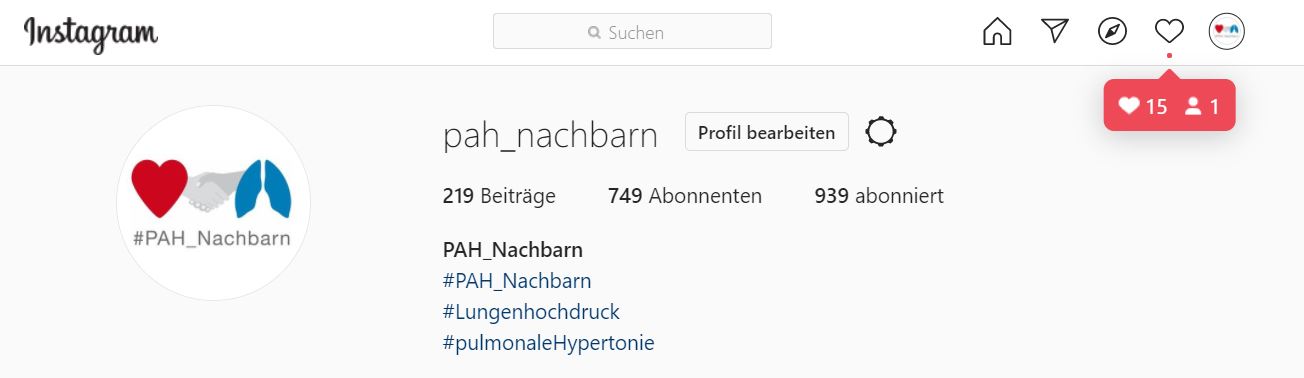
In 2005, PAH was an unknown indication, even within the groups of medical specialists confronted with the disease. On average, patients die 2.8 years after being diagnosed if they are not treated. This mortality rate is comparable to certain malignant diseases. In 2002, Actelion introduced a new class of substance - an oral dual endothelin receptor antagonist - that substantially improved the prognosis for patients affected by the disease. The quality of Actelion’s endothelin receptor antagonist was and is supported by Actelion with the help of clinical trials whose design and implementation has benchmark character. This clinical quality can also be found in open access medical education on a high-quality level (offline and online, see my-cme.de). This can also be called Actelion’s main asset, providing the basis of successful PR by CGC: New clinical trial results, Actelion events and the ongoing approval extension are continuously being flanked by activities targeted towards the medical press. Today (2012) PAH is no longer “rare” in the medical press, but is a, or perhaps “THE” standard orphan disease. But thanks to these activities, the lay press has also become aware of the topic “pulmonary hypertension”. There have been numerous reports describing the rare disease PAH - which is treatable today, even if it can’t be healed. A vital tool to disseminate information on PAH and recruit patients is the Internet information and dialogue platform set up by CGC. The agency established the site’s concept and developed its content, and the platform is accepted and supported by patient associations. By now there are several competitors on the market, but this hasn’t impacted Actelion’s market leadership. It’s precisely this stiff competition surrounding the best-validated PAH treatment which continues to give CGC a solid foundation on which to base their PR activities for Actelion.

PR during the EHEC-crisis
Industry:
Research-based pharmaceutical industry. Ultra orphan drug.
Client:
Alexion Pharma Germany (Munich, Germany) / Alexion Pharmaceuticals USA (Cheshire, Connecticut, USA).
Tasks:
Alexion Pharma Germany: specialized communication and medical support for Soliris® (Eculizumab) in the indications paroxysmal nocturnal hemoglobinurie (PNH) and, since 2012, atypical hemolytic-uremic syndrome (aHUS).
Alexion Pharmaceuticals USA: Crisis communications – With the EHEC-crisis during the summer of 2011 (the „raw vegetable crisis from cucumbers to soy sprouts“) the company that had thus far only been known to specialized medical doctors took center stage in the German media. 4,000 people, most of them in northern Germany, contract an EHEC infection, 400 of these patients develop the life-threatening hemolytic-uremic syndrome (HUS), 50 of them die. Because of a case study in the New England Journal of Medicine, Soliris is used off-label in this crisis situation. In this dramatic emergency situation, Alexion USA decides to deliver Soliris free of charge to the hospitals requesting it and also gives 24/7 support to the physicians responsible for treating critically ill patients. CGC is responsible 24/7 for fielding enquiries from the media that suddenly assail the American ultra orphan drug research company. Together with the client, CGC develops a communications strategy and advises Alexion USA on how to interact with the German press. CGC helps organize interviews with selected titles (FAZ, FTD, Spiegel) and puts together FAQs to make sure the media is supplied with correct information. The agency evaluates the press coverage, makes summaries for the US company managers and gives the press background information on ultra orphan disease research. In fact, retrospective analysis on the use of Soliris shows signs that it may be effective in treating HUS.

OTC-Benchmark-PR
Industry:
OTC, Naturopathy
Client:
Repha GmbH Biologische Arzneimittel – ANGOCIN® Anti-Infekt N 2005-2012ff – OTC drug - sustainable sales development with long-term PR.
Tasks:
PR for professional and lay target groups/Communications activities for various herbal medicines, e.g. ANGOCIN® Anti-Infekt N
Since 2004/2005, CGC has been responsible for the OTC product ANGOCIN Anti-Infekt N, among others. The year 2004 represented a break for many OTC drugs in Germany, because their reimbursement by health insurance companies was cut back almost entirely. In 2004, ANGOCIN Anti-Infekt N had already been on the market for almost 50 years. Between 2005 and 2011, when CGC was responsible for its PR, sales of the product increased by more than threefold. ANGOCIN Anti-Infekt N has regulatory approval for two indications: To treat respiratory and urinary tract infections – and that doesn’t necessarily make targeted communications easier. The result of the PR analysis that client and agency did at that time: old OTC, with apparently unspectacular ingredients, clearly outplayed in its advertising appeal by seemingly omnipotent competitors in the cold remedy market alone (from Aspirin through Esberitox to Umckaloabo). There was a small but select sales force which was, however, far from being able to reach all the professional target groups in Germany. But there was a glimmer of hope: The product works. And this fact was supported by several recent studies. In a classical antibiogram, Angocin’s ingredients, isothiocyants, proved their effectiveness as an herbal antibiotic in clinically relevant concentrations. AND this effect was corroborated in current studies with patients. But CGC with its scientific-medical background recognized these facts very quickly – enthusiastically – and rigorously translated them into messages for the relevant target groups. Today Angocin is seen as a benchmark case study in the phyto-OTC-market, because it is successful against the market trend. This is based on a clear focus on PR as the number one communications tool. An essential component of this success is the fact that Repha and CGC put enormous trust in one another and share tasks. Repha continually invests in scientifically robust research data, and CGC uses these with the help of a many-faceted PR approach. It implements PR activities which have an immediate effect, but also always uses tools that are effective in the long term. It is precisely this long-term PR approach that has enabled ANGOCIN Anti-Infekt N to show above average sustainable growth since 2005.
Other PR success stories
Abbott DiagnosticaWith scientific consensus in the doctor’s fee scale
Sector:
Diagnostics industry
Client:
Abbott Diagnostica GmbH, Wiesbaden
Communication task:
Admission of a genome amplification test for clamydia detection to the doctors’ fee scale as a prerequisite for reimbursement by the statutory health insurances (SHI).
Target groups:
SHI
Statutory health insurance physicians
National and regional health policy makers
Trade media
Implementation and successes:
A consensus document was compiled in the context of an interdisciplinary consensus conference organised by a German scientific society; it was subsequently presented at a press conference and sent to health policy makers and top officials at the SHI.
Admission to the physicians’ scale of fees was granted.

Paradigm shift in the health system
Sector:
Generics industry and statutory health insurances
Client:
Teva Germany and AOK Baden-Württemberg
Communication task:
- Increase awareness level of the global market leader Teva for specialist target groups. Teva was largely unknown in Germany until then.
- State the delivery capacity and quality of the AOK discount partners, push Teva.
- Stop disinformation on the delivery capacity by presenting facts.
Target groups:
Pharmacists
Statutory health insurance physicians
Wholesale
National and regional health policy makers,
Trade media
Upmarket lay media (German newspapers such as FAZ, Handesblatt)
Implementation and successes:
Press conferences in Frankfurt and Berlin attract national attention very early on (including the “heute” newscast on the ZDF TV channel). Teva becomes a showpiece corporation for the AOK, ensuring the implementation of discount agreements. Active press work, such as ad hoc press releases and letters to the editor by the management, coordinated with the AOK, counteract the regional PR by the pharmacists with factual information. Connection to the
www.aok-rabattpartner.de website enables all journalists in Germany to inform themselves about the delivery capacity of the AOK discount partners, particularly Teva. As a result, the issue of “supply shortages” gradually disappeared from the media. The discount agreements by the AOK and the associated paradigm shift in the generics market became inexorable. The generics industry had to reposition itself as from 2007.
Related links:
www.aok-bw.de
Generic Captopril becomes market leader as a result of communication with associations
Sector:
Pharmaceutical industry, generics
Client:
Azupharma, Gerlingen near Stuttgart (now Sandoz)
Situation:
Azupharma obtained the licence from Bristol-Meyer-Squibb (at the same time as Isis) to launch Acenorm® as a branded generic three months before the expiry of the Captopril patent.
Communication task:
To obtain the biggest possible market lead during this period, because approx. 30 generic competitors will subsequently offer it for sale.
Target groups:
Statutory health insurance physicians
Associations of statutory health insurance physicians
trade media
Implementation and successes:
Prescription recommendations of the statutory health insurance physicians’ associations point out the cost saving by Acenorm®. Relevant publications simultaneously appear in the leading journals for general practitioners and non-specialised internists. When the generic competitors enter the market Acenorm® accounts for around 40 per cent of all Captopril prescriptions.
Pantozol – the last one will be first
Sector:
Researched-based Pharmaceutical industry
Client:
Byk-Gulden/Altana, Constance
Communication task:
PR support of the innovative proton pump inhibitor (PPI) Pantozol from pre-marketing stage onwards.
Target groups:
Gastroenterologists
General practitioners and internists
Patients
SHI
Trade and lay
Implementation and successes:
Rapid market penetration was achieved even before launch through intensive trade and lay media campaigns as well as direct communication activities for specific target groups. Pantozol is the most successful launch in 1994, in 1995 Pantozol occupies 2nd place among the three PPIs. It continuously reduces the lead of the many years only available PPI Omeprazol (1st place 2000). In the first twelve months of its market presence Pantozol achieves a share of voice of over 60 percent in the trade media and - as part of the push and pull strategy - 100 per cent in the lay media. Already, before it was licensed to eradicate helicobacter pylori, Pantozol was used in almost half of the eradication therapies. The market leader, who had not used PR until then, then employed an PR agency.
Consensus conference keeps fixed asthma combinations off the negative list
Sector:
Researched-based Pharmaceutical industry
Client:
Fisons, Cologne (now part of Sanofi-Aventis), Boehringer Ingelheim, Ingelheim, Asta Medica, Frankfurt am Main (now Meda Pharma, Bad Nauheim)
Communication task:
Ensuring reimbursement of the costs of fixed combinations to treat asthma
Target groups:
SHI
Health policy makers
Associations of Statutory health insurance physicians
Office-based physicians
Trade media
Implementation and successes:
At a consensus conference upon the invitation of the Federal Association of General Practitioners and Paediatricians, the participating scientists and organisations (general practitioners, internists, paediatricians, allergists, pulmonologists, pharmacists and self-help groups) advance arguments for the indispensability of this group of preparations. The consensus paper is presented at a press conference, published in the media of the participating organisations and sent to the top representatives of the SHI and healthcare policy. The reimbursement status remains intact.
Convince health insurance funds of the price-benefit-performance ratio of the genetically engineered product Pulmozyme
Sector:
Research-based pharmaceutical industry
Client:
Genentech, Freiburg, subsidiary of Hoffmann-La Roche
Communication task:
PR support of the launch of the genetic product Pulmozyme® for the treatment of cystic fibrosis. Particular aspect: create acceptance in the SHI for the - in comparison to the standard therapy used by then- very high treatment costs
Target groups:
Treatment centres
Pulmonologists
Paediatricians
The individuals affected and their parents
Statutory health insurances
Trade and customer media
Implementation and successes:
Intensive media work and cooperation with self-help organisations result in rapid market penetration without a barrage of criticism from the SHI.

Right off the bat to market leadership position of Valette
Sector:
Research-based pharmaceutical industry
Client:
Jenapharm, Jena (now a subsidiary of Schering AG)
Communication task:
Product PR for the innovative ovulation inhibitor Valette, as from market launch
Target groups:
Gynaecologists
Young women
trade and lay media
Implementation and successes:
Rapid market penetration, mainly through media campaigns accompanied by intensive communication of the USP of Valette to medical specialists and consumers: also improves greasy skin and acne as well as greasy hair. An information centre staffed by physicians helps young women to overcome the hurdle of their first visit to a gynaecologist. Valette shortly becomes the market leader.
Related links:
www.jenapharm.de
Male hormone deficiency – a new indication established with PR
Sector:
Research-based Pharmaceutical industry
Client:
Jenapharm, Jena (now a subsidiary of Schering AG)
Communication task:
Communication of “climacterium virile” as a new indication.
Target groups:
Urologists
General practitioners and internists
Men from the age of 50 and their partners
Trade and lay media
Implementation and successes:
Intensive media work, over a three-year period creates an awareness of the issue and establish the concept of male hormone deficiency. Male hormone deficiency is presented as serious affection that requires treatment, the urologist is positioned as specialist for the syndrome. Empirical opinion research shows that the messages reached over half of the age group affected and the majority of physicians within three years.
Related links:
www.jenapharm.de

Cialis – the most successful launch in 2003
Sector:
Research-based Pharmaceutical industry
Client:
Lilly ICOS, Bad Homburg
Communication task:
Communication of the USP of Cialis®, PR - support as from the pre-marketing stage
Target groups:
Urologists
General practitioners
Office-based diabetologists
Implementation and successes:
The best launch in 2003 succeeded in a market that was initially monopolistic and became highly competitive after the entry of Cialis®.
Through trade media work the target group is increasingly conveyed that patient satisfaction is exceptionally high as a result of the 36-hour action window and the compatibility with rich meals and with alcohol. Therapy aids for office-based physicians and an instruction for the list of individual health services were compiled by an interdisciplinary advisory board.
Comprehensive written and audiovisual information material was developed simultaneously for the individuals affected and their partners. General and individual questions by the persons affected are answered at an information centre. Cialis® now is the market leader in the rapidly expanding market of PDE-5 inhibitors.

Comeback for Lindofluid
Sector:
Phytopharmaceutical industry
Client:
Lindopharm, Hilden
Communication task:
Relaunch of the liniment Lindofluid
Target groups:
Young consumers
Amateur athletes
Implementation and successes:
The product is rejuvenated by a Nordic walking campaign in association with a women's magazine. The campaign includes a raffle with prizes of Nordic walking weekends and a relaxation massage seminar. This campaign is accompanied by a consumer brochure, photo reportage services for the public media and activities with relevant sports associations such as the German Ski Association. Pharmacists and PTAs are comprehensively informed through trade media work and a series of seminars for PTAs. Lindofluid sales skyrocket and prove to be sustainably increasing.
Related links:
lindopharm.de

Overcoming the fear of cortisone
Sector:
Research-based Pharmaceutical industry
Client:
Merck, Darmstadt, branded generics
Situation:
Unrealistic fears of the side effects of cortisone are counteracted by its practical use in asthma and rheumatism. Physicians are afraid that patients will refuse therapy after reading the package insert - if not before.
Communication task:
Improvement of the public image of corticosteroids
Target groups:
Patients and self-help organisations
Office-based physicians
Implementation and successes:
A continuing education package with a patient brochure and a physicians lecture are compiled in association with self-help organisations, and as a result are widely used by consumer organisations. An extensive information campaign in the trade and lay press is conducted simultaneously. Telephone campaigns with daily newspapers and popular magazines in particular are very well received by patients. An experienced physician runs his consultation hour once a week in the newly built Cortisone Information Centre (CIC), which is also used by office-based general practitioners to clarify therapeutic problems in specific cases. Sales of Merck’s range of corticoids soar.
Related links:
merck-pharma.de
Iodine substitution: a win-win situation for patients, doctors and health policy makers
Sector:
Research-based Pharmaceutical industry, branded generics
Client:
Merck, Darmstadt
Communication task:
Popularisation of iodine substitution
Target groups:
Health professions
Regional Association of Statutory Health Insurance Physicians
Health policy makers
Consumers
Implementation and successes:
A holistic campaign presents the improved iodine supply of the thyroid gland as a win-win situation to the target groups. A cost-benefit report for health policy and the SHI demonstrates the economic benefit of an increased iodine intake by the population, in order to maintain healthy thyroid glands. The managing director of the AOK Federal Association also participates as speaker in the press conference that presents the campaign. The thyroid gland mobile service provides the opportunity for a co-operation between the sponsor, health insurance funds and health professions as well as two prestigious universities. The thyroid gland information service serves as a drop-in centre for consumers to obtain impartial medical advice and for purveyors of media information. Merck records an average increase of 25% in the sales of thyroid gland therapeutic agents containing iodine during the first five years.
Related links:
merck-pharma.de
The climacterium as new business segment
Sector:
Research-based Pharmaceutical industry
Client:
Merck, Darmstadt, branded generics
Situation:
Following the acquisition of a French manufacturer of gynaecological drugs, Merck Pharma Germany decides to launch a range of preparations to treat menopausal disorders, starting with the seven-day plaster Fem7. Subsequently followed by the launch of other plasters and an oestrogen gel.
Communication task:
PR support of the establishment of a new business segment as well as several product launches.
Target groups:
Gynaecologists, as well as general practitioners and internists
Menopausal women
German Rural Women’s Association, German Housewives’ Alliance
Implementation and successes:
CGC supports marketing activities with extensive media work for trade and lay media, and with measures of direct communication to menopausal women. Merck is positioned as a competent contact person for gynaecologists. The new products soon achieve a high level of awareness in specialist and individual non-professional groups and women make specific enquires about them whilst visiting the doctor. After six successful years Merck suddenly withdraws from the market because of the results of the US Women’s Health Study.
Related links:
merck-pharma.de
PR secures reimbursement for fertility treatment
Sector:
Research-based pharmaceutical industry
Client:
Serono
Communication task:
Promotion of in-vitro fertilisation (IVF) and guarantee of reimbursement
Target groups:
Health policy makers
SHI
Fertilisation medicine
Individuals affected
Implementation and successes:
Around ten per cent of all married couples in Germany are unable to have children, whereas the causes are distributed equally between husband and wife. A 60 per cent pregnancy rate was achieved in the first IVF cycle. Given the high costs of approx. € 5,000 per cycle, the health insurance funds endeavoured to prevent reimbursement with the support of those gynaecologists who were not involved in IVF treatment (due to the high proportion of IVF in the total budget for gynecologists). The social acceptance of IVF was improved in background talks with health policy makers, mailings to the SHI and accompanying media work in the trade and lay press. At the same time Serono’s clients, the IVF gynecologists, received huge support for their work.

PR expands the market for scar treatment products
Sector:
Medical products industry
Client:
Valeant Pharmaceuticals GmbH, Eschborn
Communication task:
PR support of the launch of Dermatix, the new scar treatment product
Target groups:
Medical professions
Consumers
Implementation and successes:
The product is positioned as an innovative method of treating scars at dermatologists and the individuals affected. Intensive media work, as well as online PR for the top medical guides in Google, is used for both target groups. In the three German-speaking countries 80 publications in the trade media with a total circulation of 1.5 million and 60 publications in the lay media with a total circulation of 20 million were achieved as part of the PR publicity campaign which lasted nine months. The product is now used by dermatologists as an innovation in scar treatment.
Related links:
www.valeant.de
Anti-Aging with the cosmeceutical Kinerase
Sector:
Cosmetic products industry
Client:
Valeant Pharmaceuticals GmbH, Eschborn
Communication task:
PR support of the market launch of the new cosmeceutical Kinerase
Target groups:
Dermatologists
Pharmacists, PTAs
Women, 30+
Implementation and successes:
The product is specifically positioned for (aesthetic) dermatologists and women with a strong liking for “natural but effective” cosmetics, as an innovation in anti-aging care. Both target groups are informed about the new cosmeceutical through an intensive media campaign and online PR (together with an online survey for users). The editorial offices of the major “beauty titles” for the core target audience “women” are visited in person and provided with samples. As part of the PR publicity campaign, high-quality “in-use” press photos are shot, that still are used by various media in “beauty articles” years later.
Related links:
www.valeant.de
Pre-marketing for Wrigley’s Extra only with PR
Sector:
Food industry- confectionery
Client:
Wrigley GmbH, Oberhaching near Munich
Communication task:
Communication of the scientifically proven dental caries prophylactic effect of chewing, based on the assumption that consumers perceive chewing gum to be confectionery without an additional benefit.
Target groups:
Dentists
Consumers at large
Teachers and health professionals
Health insurance schemes
Trade and lay media
Implementation and successes:
The PR activities involved dental scientists, representatives from health insurance associations and health education institutions and comprised TV, the print media and events. Attitude changes were measured by the GfK in four phases each year. At the end of the third year of the campaign, 85 per cent of dentists and 45 per cent of consumers recognised the message unaided and 95 per cent of both groups thought that it was credible. Wrigley’s Extra is launched.
ACE inhibitors are not pointless pseudo innovations
Sector:
Research-based pharmaceutical industry
Client:
Zeneca
Communication task:
Communication of the innovative nature of ACE inhibitors
Target groups:
Decision makers from the statutory health insurance funds
Office-based physicians
Implementation and successes:
SHI Associations refer to ACE inhibitors as a prime example of costly pseudo innovations of drugs, which in their judgement, can be replaced with reasonably priced generic beta blockers. The importance of ACE inhibitors in treating high blood pressure and cardiac insufficiency was elaborated by clinical and practising cardiologists at a workshop with SHI representatives. At a subsequent press conference for the trade media, an SHI spokesman admits that one had to be mistaken. ACE inhibitors are accepted and have not had any bad press since then.